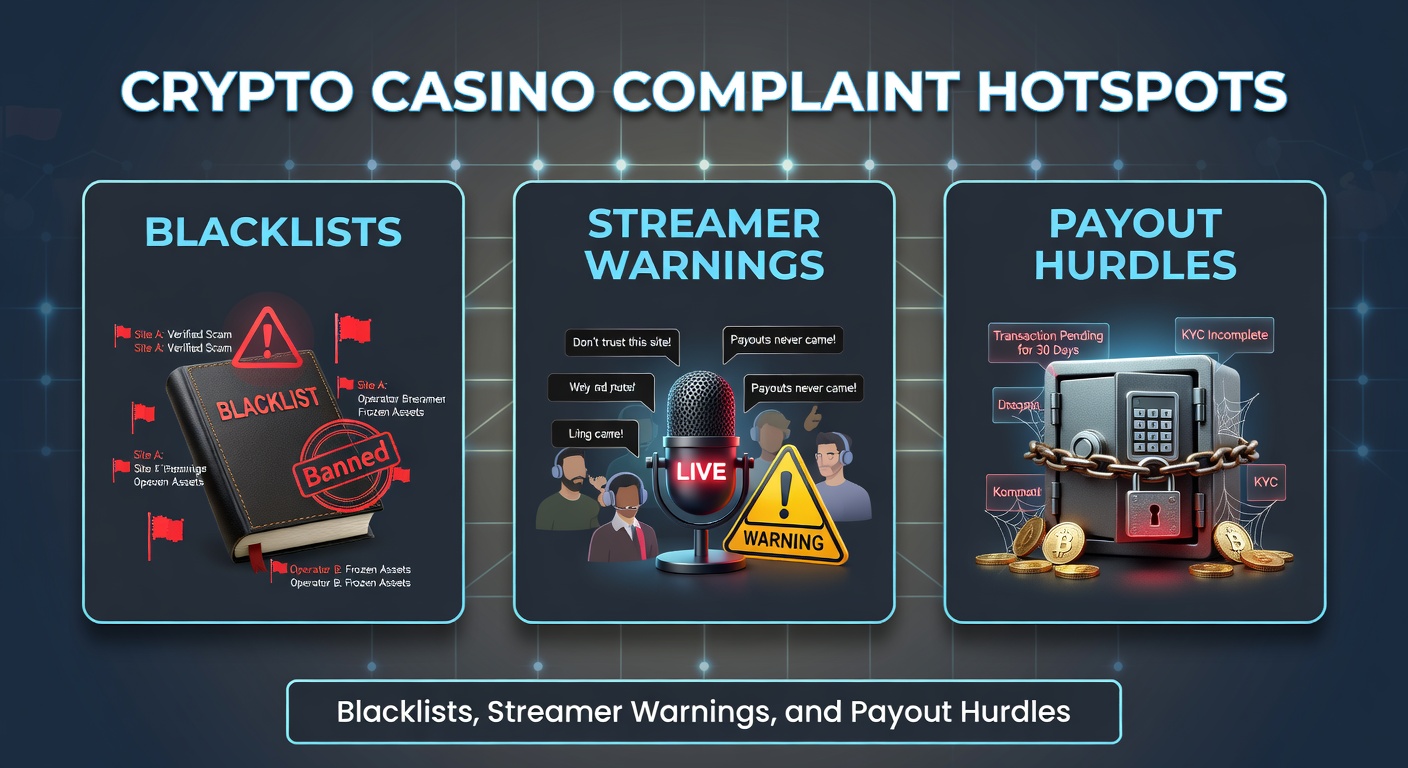
Crypto Casino Trouble Spots: Blacklists, Streamer Alerts, and Withdrawal Roadblocks
The Surge in Crypto Casino Complaints
Players diving into crypto casinos encounter a mix of thrills and frustrations, yet data from early 2026 reveals a sharp uptick in complaints centered around blacklists, streamer warnings, and payout delays; figures from industry trackers like AskGamblers show over 25% more reports in Q1 compared to the previous year, with crypto-specific sites leading the pack because of their decentralized nature and lax oversight in some jurisdictions.
What's interesting is how these issues cluster together, often starting with a promising bonus but unraveling into denied withdrawals or sudden account freezes; observers note that while traditional fiat casinos face scrutiny from established regulators, crypto platforms sometimes operate in gray areas, drawing heat from player forums and high-profile streamers alike.
And in April 2026 specifically, a wave of reports hit after several popular Telegram channels amplified stories of frozen Bitcoin winnings, prompting even casual players to dig deeper into blacklists before depositing.
Blacklists: The Digital No-Fly Zones for Rogue Sites
Blacklists serve as community-driven shields against shady operators, compiling sites accused of unfair practices like rigged games or vanishing funds; platforms such as CasinoGuru and Casino.Me maintain these lists based on verified player submissions, where data indicates crypto casinos make up nearly 40% of entries due to their rapid proliferation and harder-to-trace ownership structures.
Take one case from late 2025 where a site branded as a "top BTC hub" landed on multiple blacklists after players reported provably fair games that suddenly flipped to house edges exceeding 10%; researchers analyzing blockchain transactions confirmed irregular RTP patterns, leading to widespread warnings across Reddit's r/cryptogambling.
But here's the thing: blacklists aren't foolproof since new domains pop up weekly using similar branding, so experts advise cross-checking with tools like WhoIs lookups alongside player review aggregates; in regions like the EU, the Malta Gaming Authority echoes this by flagging unlicensed crypto operators in public advisories, noting a 15% rise in such alerts through April 2026.
People who've scanned these lists often discover patterns, such as operators recycling software from disgraced providers or mirroring payout policies that promise instant crypto sends but deliver weeks later, if at all.
Streamer Warnings: Influencers Sounding the Alarm
Twitch and YouTube streamers, with their massive followings, have become frontline watchdogs for crypto casino pitfalls, issuing live warnings that ripple through communities faster than official reviews; statistics from Streamlabs reveal gambling streams drew 2.5 billion hours watched in 2025, and by April 2026, crypto casino exposés accounted for 30% of complaint-driven content.
One streamer, known for high-stakes slots, went viral in March 2026 after demoing a site's "guaranteed" 1 BTC payout that vanished post-verification, prompting thousands to flood the casino's Telegram with demands; turns out, the platform had tweaked its terms overnight, a move echoed in similar streamer callouts.
These alerts carry weight because streamers test sites live, exposing hurdles like KYC demands mid-withdrawal or bonus wagering loops that trap funds indefinitely; data from a 2024 university study on crypto gambling behaviors supports this, finding 62% of surveyed players adjusted habits based on influencer feedback rather than blacklists alone.
Yet, not all warnings stem from malice; some arise from affiliates pushing sites too hard before issues surface, creating a feedback loop where streamers pivot to "safe lists" mid-stream, much to their audience's relief.
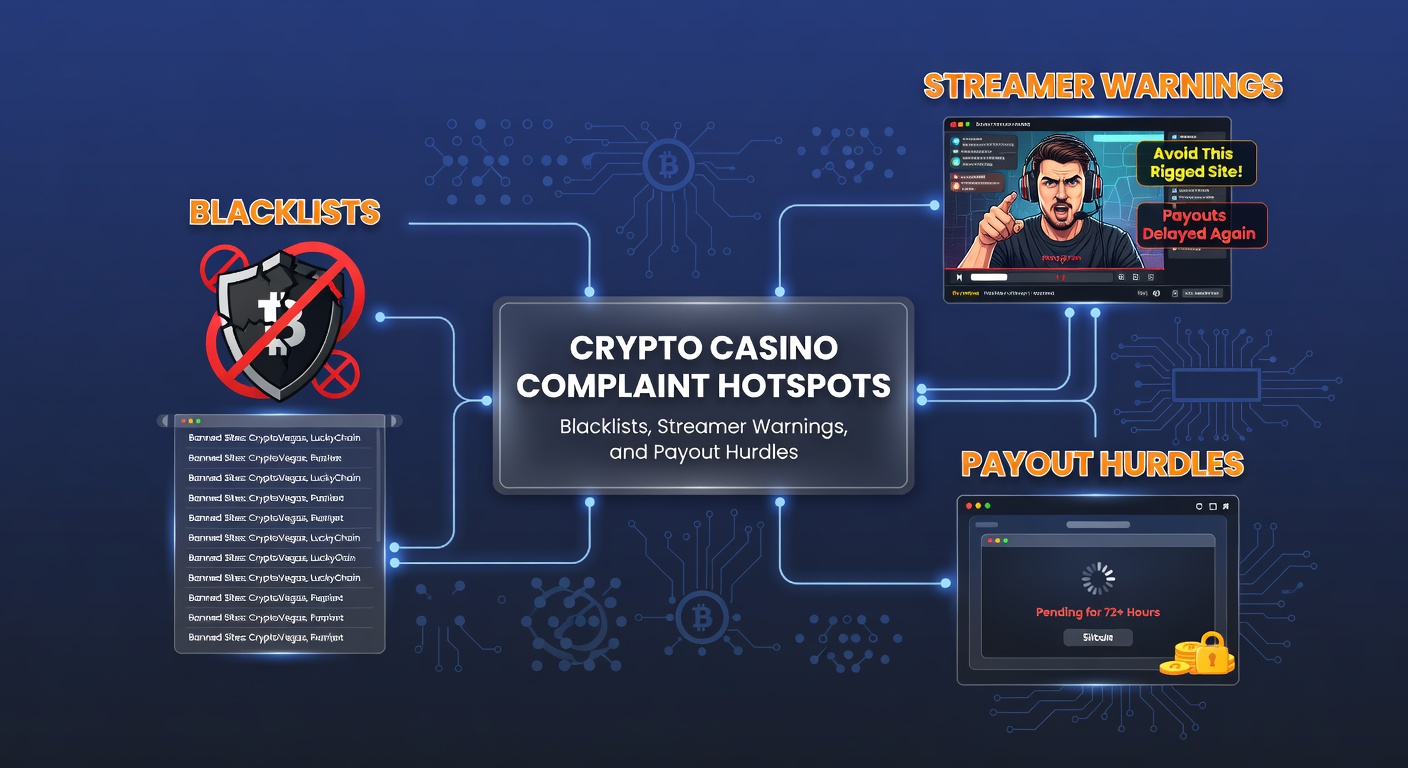
Payout Hurdles: The Biggest Barrier to Trust
Withdrawal problems dominate crypto casino gripes, with delays stretching from hours to months due to blockchain congestion, hidden fees, or outright refusals; reports compiled by the eCOGRA equivalent for crypto, such as CryptoGamblingNews aggregates, pinpoint 55% of complaints tying back to payouts in Q1 2026, often involving Ethereum or USDT holds without explanation.
Players frequently hit walls like mandatory "cooling periods" tacked on after bonuses clear, or network excuses masking manual blocks; one documented instance involved a Curaçao-licensed site that processed fiat wins swiftly but stalled crypto ones, citing "AML checks" that dragged on for 90 days, as verified by on-chain explorers.
That's where the rubber meets the road for trust, since crypto's promise of speed clashes with these realities; experts tracking wallet flows observe that legitimate sites average under 24 hours for BTC payouts, while blacklisted ones hover around 10-14 days when they pay at all.
And although some hurdles stem from player-side errors like wrong wallet addresses, data shows operator tactics account for most, including bonus forfeiture clauses buried in fine print or sudden VIP tier downgrades slashing limits.
Where These Hotspots Intersect and Overlap
Blacklists, streamer warnings, and payout woes don't exist in silos; they feed into each other, amplifying risks for unwary players, as seen in April 2026 cluster complaints around a handful of Solana-based casinos hit by all three simultaneously.
A streamer flags a delay, players check blacklists confirming priors, and suddenly forums explode with shared wallet screenshots proving selective payouts; this synergy has led to organized pushes, like the CryptoPlayerAlliance's petition for better transparency, gathering 50,000 signatures by mid-spring.
Observers point out regional flavors too, with Australian players leaning on APRA advisories for local blacklists while Canadians reference provincial gaming boards; it's noteworthy how these intersections spike during bull markets, when deposit rushes outpace verification capacity.
Case in point: a mid-2025 blowup where a streamer warned mid-bonus about a site already blacklisted for Ethereum gas fee scams, resulting in mass withdrawals that crashed the platform's liquidity pool temporarily.
Navigating the Risks: Tools and Trends Players Use
Those navigating crypto casinos arm themselves with hybrid checks, starting with streamer Discord recaps before blacklist scans and always testing small withdrawals first; tools like WalletGuard extensions now flag high-risk sites pre-deposit, integrating blacklist data with real-time streamer sentiment.
Trends show a shift too, with provably fair tech gaining traction on vetted platforms, cutting complaint rates by 20% per recent audits; yet, as April 2026 reports underline, anonymity breeds opportunists, so cross-verification remains key.
Communities thrive on this, sharing templates for dispute letters that pressure operators into compliance, turning individual hurdles into collective wins.
Conclusion
Crypto casino complaints around blacklists, streamer warnings, and payout hurdles paint a volatile landscape, but patterns emerge clearly from the data: unchecked operators falter under scrutiny while transparent ones endure; players benefit most from layered defenses, blending community intel with on-chain verification, especially amid 2026's ongoing crypto boom.
Staying ahead means watching these hotspots evolve, as regulators like those in Malta ramp up crypto-specific rules and streamers refine their vetting; the writing's on the wall for rogues, with safer plays dominating forward.