Decoding Transaction Safeguards in Digital Casino Payout Frameworks
Initial Verification Layers and Their Role in Pattern Detection
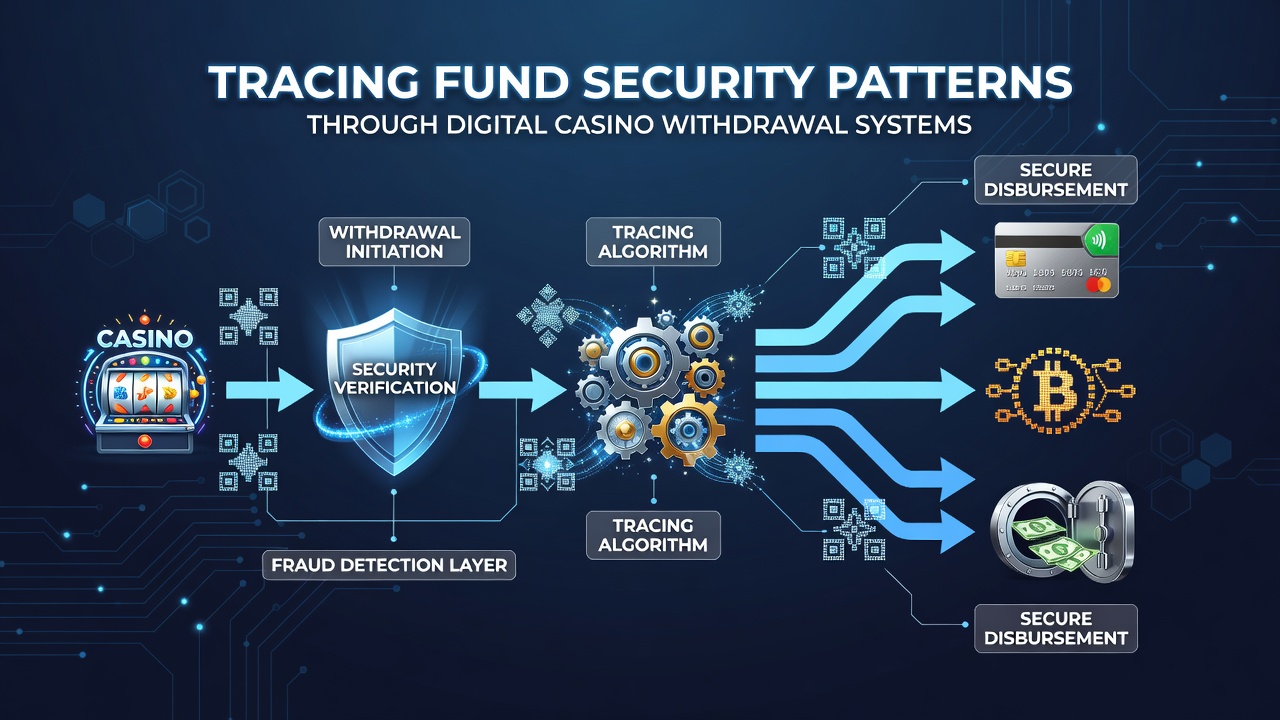
Digital casino withdrawal systems rely on layered verification protocols that create identifiable security patterns across transactions, where initial account authentication combines with ongoing monitoring to flag irregularities before funds move. These patterns emerge when systems cross-reference user behavior data against historical records, including login locations, device fingerprints, and previous transaction volumes, which allows operators to build profiles that trigger additional checks if deviations occur. Research from academic institutions indicates that such multi-point verification reduces unauthorized access attempts by establishing baseline patterns that evolve with each interaction.
Payment method selection further shapes these security signatures, since credit card processors often impose distinct authorization sequences compared to e-wallet transfers or cryptocurrency routes, and each pathway introduces unique data points that monitoring tools analyze for consistency. Observers note that operators integrate these checks seamlessly so legitimate users experience minimal disruption while anomalous patterns receive automated escalation to human review teams.
Encryption Standards and Real-Time Monitoring Evolution
Encryption protocols form the backbone of fund movement security, with systems employing advanced standards that protect data during transmission and storage, thereby generating traceable logs of every decryption event that auditors can review later. By June 2026 many platforms had expanded their use of quantum-resistant algorithms in response to emerging computational threats, creating new pattern categories that security teams track across withdrawal requests. Data from regulatory filings shows these upgrades correlate with decreased incident rates in regions where adoption occurred early.
Real-time monitoring tools scan for specific behavioral markers such as rapid successive withdrawal attempts or mismatches between deposit and payout amounts, patterns that automated systems have learned to associate with potential fraud through machine learning models trained on aggregated industry datasets. Those who've studied these systems understand that the models improve accuracy over time because they continuously incorporate new transaction examples without requiring manual reprogramming.
Regulatory Influences on Pattern Standardization
Government agencies across multiple jurisdictions require operators to maintain detailed audit trails of withdrawal activity, which in turn standardizes how security patterns are documented and reported. The New Jersey Division of Gaming Enforcement publishes guidelines that influence how platforms structure their monitoring frameworks, while similar directives from other regions encourage cross-border consistency in fraud detection methods. These requirements ensure that withdrawal systems generate comparable data outputs regardless of operator location, facilitating broader pattern analysis across the sector.
Compliance teams review aggregated withdrawal statistics to identify recurring vulnerabilities, and this process reveals seasonal fluctuations in attempted fraud that align with global events or promotional periods. Experts have observed that platforms adjusting their thresholds in anticipation of these cycles maintain smoother operations and fewer false positives during peak times.

Blockchain Integration and Emerging Traceability Methods
Cryptocurrency withdrawals introduce additional transparency layers because blockchain ledgers record every transfer in immutable sequences that operators can reference when investigating discrepancies. These public records create distinctive patterns that differ from traditional banking trails, allowing analysts to trace fund movements across multiple addresses when needed. Industry organizations have documented cases where such visibility helped resolve disputes faster than conventional methods permitted.
Hybrid systems that combine blockchain verification with traditional banking rails show particular promise in creating hybrid security signatures that leverage the strengths of both approaches, and researchers continue to examine how these combinations affect overall pattern reliability. The reality is that operators adopting these methods report improved ability to distinguish legitimate high-volume activity from coordinated misuse attempts.
Conclusion
Security patterns within digital casino withdrawal systems continue to develop through the interplay of technological upgrades, regulatory mandates, and operational experience, resulting in frameworks that balance user convenience with robust protection measures. Continued analysis of these patterns supports ongoing refinement as new payment technologies enter the market and threat landscapes shift accordingly.