
Inside the Testing Labs: How Independent Auditors Verify Casino Game Fairness
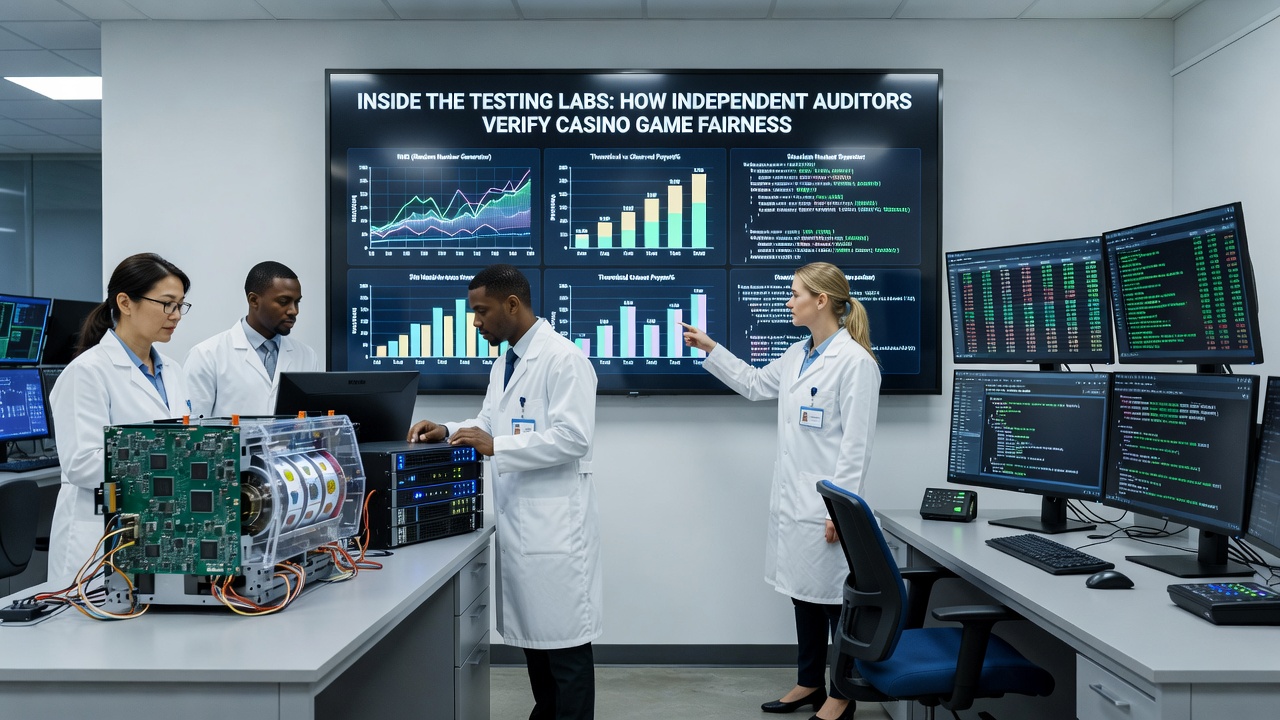
Independent auditors examine casino game software through structured protocols that combine code analysis with statistical simulations, and these processes unfold in specialized facilities equipped for precision measurements. Research indicates that firms such as Gaming Laboratories International and iTech Labs conduct evaluations on random number generators before any title reaches player platforms, while data from regulatory submissions shows consistent verification cycles every six months for ongoing compliance.
Initial Submission and Documentation Review
Developers submit source code alongside mathematical models that define return-to-player percentages, and auditors begin by cross-referencing these documents against jurisdiction-specific requirements. Those who've studied certification workflows note that initial checks confirm the absence of hidden parameters that could alter outcomes, after which simulation runs generate millions of game cycles to validate distribution patterns. Evidence from audit summaries reveals that discrepancies trigger immediate code revisions before further testing proceeds.
Random Number Generator Evaluation
Random number generators form the core of electronic casino titles, so labs subject them to diehard and NIST statistical test suites that detect non-random sequences. Observers note how auditors run continuous streams for extended periods, comparing results against expected probability distributions, and any deviation beyond established thresholds leads to rejection. As of June 2026, updated frameworks from the New Jersey Division of Gaming Enforcement emphasize enhanced entropy measurements for newer cryptographic implementations used in live dealer interfaces.
Return to Player and Volatility Testing
Return to player calculations undergo separate verification through long-duration simulations that replicate real-world play volumes, and volatility metrics receive parallel scrutiny to ensure advertised risk profiles match actual performance. Researchers discovered that this dual approach prevents misleading payout presentations, while case examples from certified studios demonstrate how minor algorithm tweaks receive re-evaluation when initial outputs fall outside tolerance bands. External links integrate naturally here through references to oversight bodies.
Live Environment Monitoring and Re-Certification
Once initial approval occurs, operators must submit periodic data feeds that auditors analyze for continued adherence to certified parameters, and this ongoing surveillance catches post-launch modifications that might affect fairness. People who've examined enforcement records find that re-certification cycles incorporate player complaint data alongside technical logs, creating a feedback loop that strengthens overall integrity. The Alcohol and Gaming Commission of Ontario maintains public databases that track these re-evaluation outcomes across multiple operators.
Regional Regulatory Variations
Different jurisdictions apply distinct testing thresholds, whereas European frameworks often require additional layers for skill-based elements compared to North American standards focused primarily on pure chance mechanics. Studies found that these variations create specialized workflows inside labs, where teams maintain separate certification tracks for each market, and coordination between auditors and regulators ensures seamless transitions when games launch across borders. Data shows that multi-jurisdictional titles undergo the most rigorous combined evaluations to satisfy all applicable rules simultaneously.
Conclusion
Independent verification processes continue evolving alongside technological advances in game development, and the combination of statistical rigor with regulatory oversight maintains consistent standards across the sector. Those who track certification trends observe that transparency in reporting allows operators and players alike to reference verified metrics when assessing available titles.