Licensing Variations Across Regions and Their Effects on Bonus Qualification Criteria in Worldwide Digital Gaming Environments
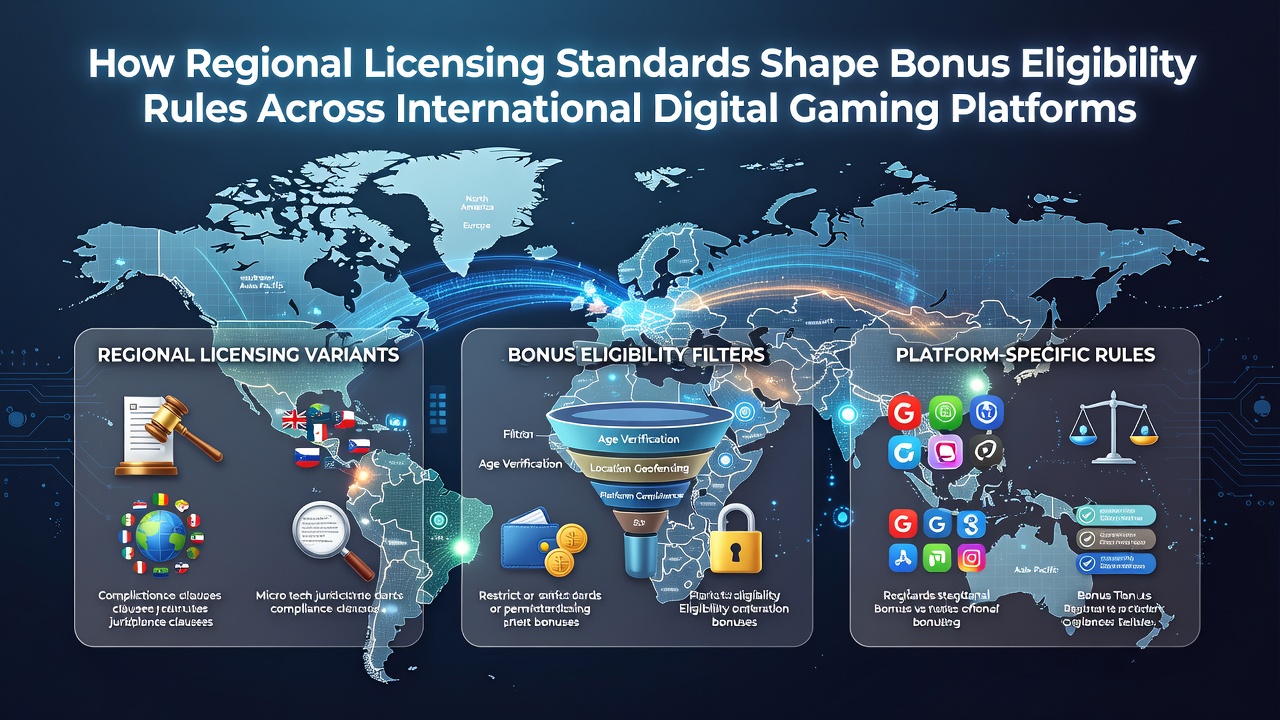
Regional licensing standards create distinct frameworks that determine which players qualify for bonuses on international digital gaming platforms, and these rules often hinge on the jurisdiction where the operator holds its license. Platforms operating under multiple authorities must align promotional offers with each region's specific requirements, which means eligibility criteria shift depending on a user's location and the governing body overseeing the service. Data from various regulatory reports shows that licensing conditions frequently dictate wagering thresholds, game restrictions, and even the types of bonuses permitted, forcing operators to segment their offerings geographically.
European Licensing Structures and Bonus Restrictions
European jurisdictions maintain detailed licensing regimes that shape bonus eligibility through caps on promotional value and mandatory transparency rules, and operators licensed in places like Malta or Gibraltar must adhere to these standards even when serving players from other member states. Research from the European Gaming and Betting Association indicates that many platforms limit bonus access for users in stricter markets to avoid violations, while data reveals that wagering requirements can differ by as much as 20 to 40 times the bonus amount based on the license origin. Observers note that this segmentation occurs because platforms embed geo-fencing tools that check user IP addresses against licensed territories, automatically adjusting available promotions accordingly.
But here's the thing: compliance extends beyond simple location checks because some European rules require operators to exclude certain bonus types entirely if they conflict with consumer protection mandates in the player's home country. Those who've studied these patterns find that platforms often maintain separate bonus pools for different European regions, ensuring that eligibility aligns with the strictest applicable standards rather than risking license revocation.
North American Approaches to Promotional Eligibility
North American licensing standards introduce another layer of complexity, particularly in markets where individual states or provinces control approvals, and operators must navigate varying rules on bonus structures across borders. According to reports from the Nevada Gaming Control Board, licensed platforms in regulated US states enforce strict eligibility rules that tie bonuses to verified local accounts, whereas Canadian provincial frameworks, such as those managed by the Alcohol and Gaming Commission of Ontario, permit broader promotional access but impose caps tied to responsible gaming measures. Figures from industry analyses show that these differences lead platforms to restrict bonus claims for cross-border users, with eligibility often limited to players whose accounts match the licensed jurisdiction's residency requirements.
What's interesting is how these rules interact with international access, because many platforms use account verification processes that flag users attempting to claim bonuses from outside approved regions. And data collected through regulatory filings reveals that operators adjust bonus terms dynamically, applying higher wagering multipliers or excluding specific games when a user's location falls under more conservative licensing guidelines.
Asia-Pacific and Australian Regulatory Influences
Asia-Pacific and Australian licensing bodies further diversify bonus eligibility by emphasizing strict player verification and limits on promotional intensity, and authorities like those in Australia require operators to ensure bonuses do not encourage excessive play. A study published by researchers at the University of Sydney found that platforms licensed under these frameworks often restrict eligibility for users in certain Asian markets to maintain compliance, while data indicates that bonus values and qualification criteria fluctuate based on the specific territorial license held by the operator. Platforms respond by implementing automated systems that evaluate each user's region against the licensing conditions before displaying or granting promotional offers.
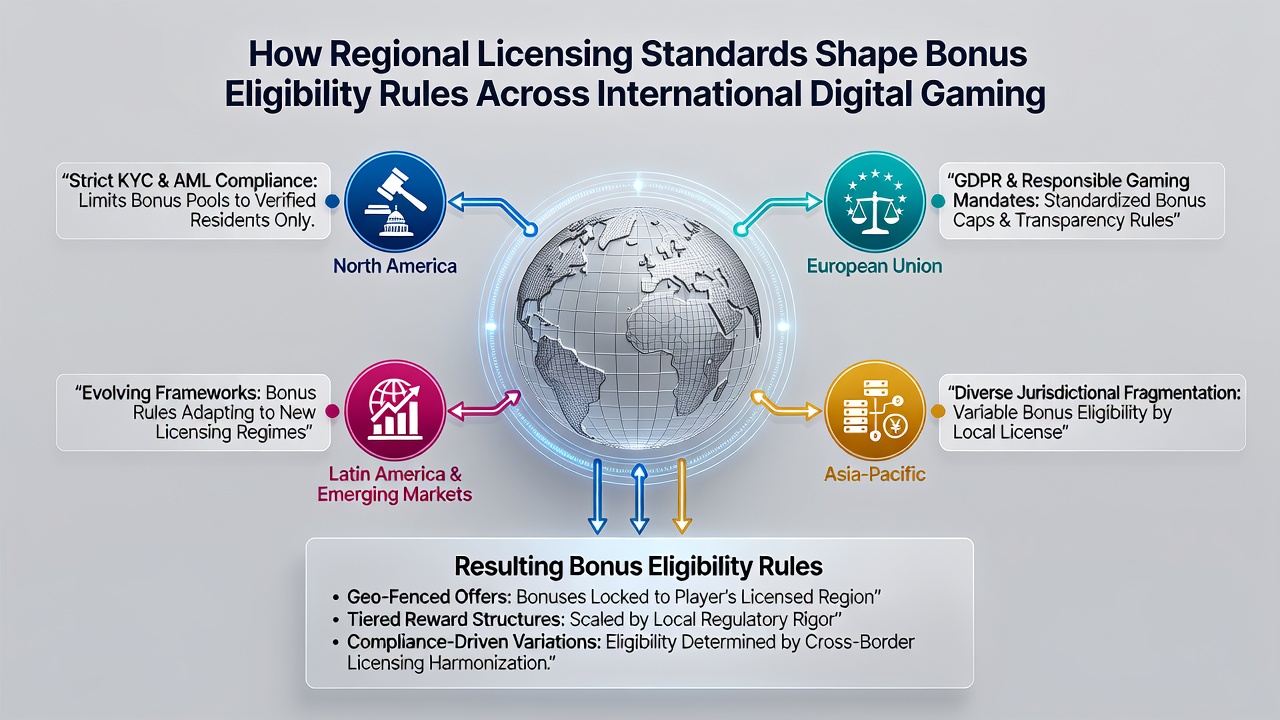
Yet the reality is that these variations create operational challenges for international platforms, since a single service must reconcile conflicting standards across its user base. Experts have observed that this often results in tiered bonus systems where eligibility depends not only on location but also on the primary license governing the account, leading to situations where two players in adjacent countries see entirely different promotional options.
Operational Adjustments by Platforms in August 2026
As of August 2026, many platforms have updated their compliance protocols to handle evolving licensing standards, and these changes include enhanced location tracking combined with real-time bonus eligibility checks. Research indicates that operators now rely on advanced verification layers to confirm that bonus claims align with the rules of the issuing license, reducing instances of cross-jurisdictional violations. Those monitoring industry trends note that such adjustments allow platforms to maintain access for international users while staying within the boundaries set by each regional authority.
Conclusion
Regional licensing standards continue to define bonus eligibility across international digital gaming platforms by imposing location-specific rules on promotions, wagering, and access. Data from regulatory sources across multiple continents demonstrates that operators must segment offerings to remain compliant, which directly influences what players in different areas can claim. These frameworks ensure that eligibility criteria remain tied to the governing license rather than a uniform global policy, creating a landscape where bonus availability reflects the patchwork of jurisdictional requirements.