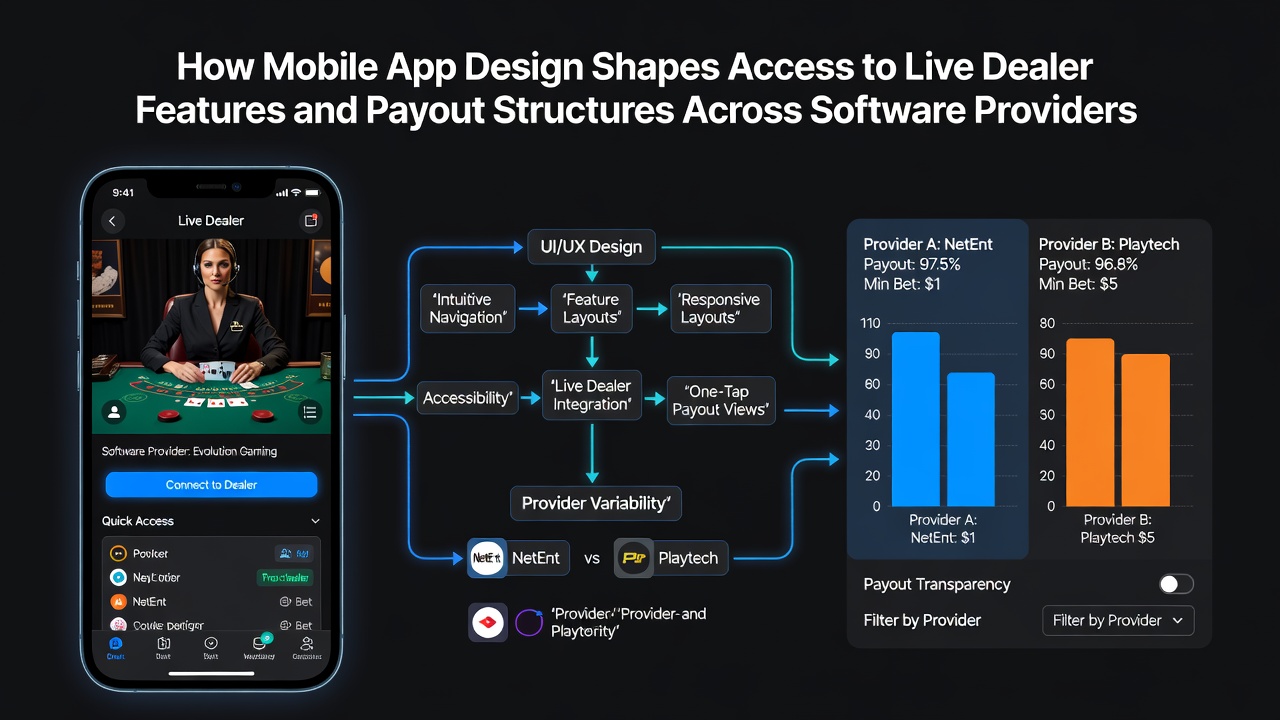
Mobile App Layouts Determine Live Dealer Access and Payout Mechanics Across Gaming Software Developers
Software providers integrate mobile app design directly into how users reach live dealer tables and view payout options, with navigation flows, button placement, and screen responsiveness shaping every interaction point. Observers note that developers like Evolution Gaming and Playtech adjust interface elements so that live streams load faster on smaller displays, while payout sections appear in side menus rather than separate tabs. Data from industry reports indicates these choices affect session times and transaction completion rates in measurable ways.
Interface Elements That Control Live Dealer Entry Points
App layouts place live dealer lobbies behind swipe gestures or bottom navigation bars, which means users encounter fewer steps when switching from slots to real-time tables, and providers test these patterns to match device operating systems. Research from academic studies on digital interfaces shows that apps with persistent live icons maintain higher engagement numbers because the path to blackjack or roulette rooms stays visible without extra taps. In July 2026 updates, several providers introduced adaptive layouts that resize dealer video feeds automatically when portrait mode activates, reducing loading delays reported in earlier versions.
Design teams embed filters for table limits and language options within the first screen of the live section, so players locate preferred stakes quickly instead of scrolling through full lists. Those who've examined provider documentation find that companies using card-based previews for each table report smoother transitions into streams, because the visual cue helps users decide before committing bandwidth to a connection. This approach appears across multiple software platforms, though the exact placement of preview cards varies depending on each developer's overall menu hierarchy.
Payout Display Structures Shaped by Screen Real Estate
Payout sections in mobile apps often collapse into expandable accordions or horizontal scrollers to fit transaction histories and withdrawal buttons on limited space, and this compression influences how quickly users verify balance updates after live sessions end. Figures from regulatory filings reveal that apps presenting withdrawal timelines in progress bars complete more verification steps within single visits compared to those requiring separate account pages. Software providers adjust these visual cues so that minimum and maximum limits display alongside each payment method without forcing additional screens.
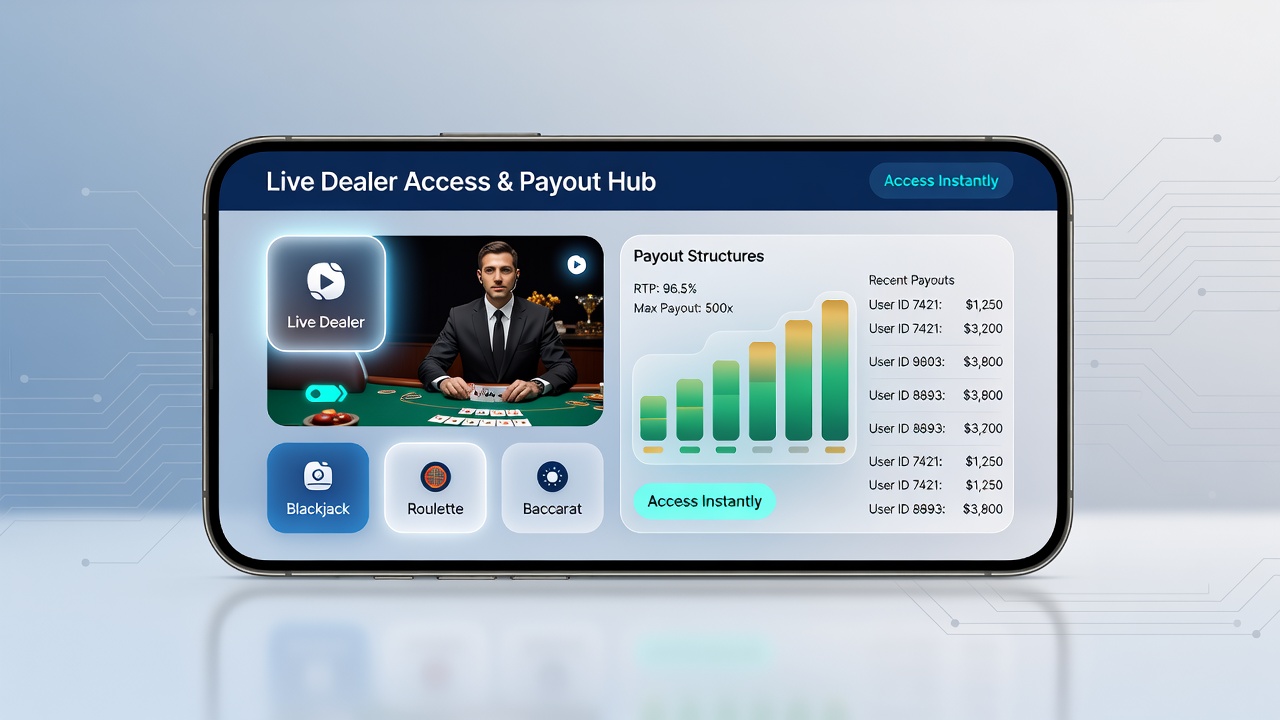
Observers note that color-coded status indicators for pending payouts appear consistently in apps built by NetEnt and Microgaming, allowing instant recognition of processing stages even during brief checks. Data shows these indicators connect directly to backend APIs that update in real time, which reduces support queries when users see clear progress markers. In regions following standards set by the Malta Gaming Authority, providers must maintain consistent visual hierarchy so payout information remains accessible regardless of device size.
Cross-Provider Variations in Design Approaches
Each software house applies distinct priorities when balancing live dealer integration with payout visibility, and comparative analyses highlight how one provider favors tabbed navigation while another uses gesture-based shortcuts. Experts have observed that apps from Pragmatic Play embed live dealer access within the main game grid, whereas others isolate it in a dedicated hub to separate real-money tables from RNG titles. These decisions affect how payout structures surface, because integrated designs often link withdrawal options directly to active table balances.
Take one case where developers streamlined the deposit-to-live transition by placing funding buttons adjacent to table previews, resulting in shorter paths documented in user flow studies. Research indicates such patterns increase completion rates across different operating systems, though providers continue testing variations to match regional preferences reported in New Jersey Division of Gaming Enforcement filings. Another approach appears in apps that surface loyalty-based payout boosts only after users finish a live session, tying design timing to engagement metrics.
Technical Factors Linking Design to Feature Accessibility
Responsive frameworks determine whether live dealer streams maintain stable connections when users rotate devices or switch networks, and providers implement caching strategies that keep payout histories available offline for short periods. According to industry technical reviews, apps optimized for both iOS and Android show fewer interruptions during dealer interactions because gesture controls replace smaller touch targets that cause accidental exits. This stability extends to payout confirmations, where confirmation dialogs appear in consistent locations to prevent mis-taps during withdrawals.
Those who've studied cross-platform compatibility note that providers adopting unified design systems report fewer region-specific bugs in payout processing, since shared codebases handle currency conversions and verification prompts uniformly. In 2026, several updates focused on dark mode compatibility for live tables, ensuring dealer interfaces and payout summaries retain contrast levels required by accessibility guidelines.
Conclusion
Mobile app design choices continue to define the pathways users take toward live dealer content and the visibility of payout mechanisms across software providers, with layout decisions, navigation patterns, and visual hierarchies producing measurable differences in access speed and transaction clarity. Data from multiple regulatory sources and technical reports confirms these elements operate together rather than in isolation, shaping daily interactions without requiring separate platform adjustments. Providers maintain ongoing refinements to align with device capabilities and regional standards, keeping both live features and financial tools reachable through consistent interface logic.