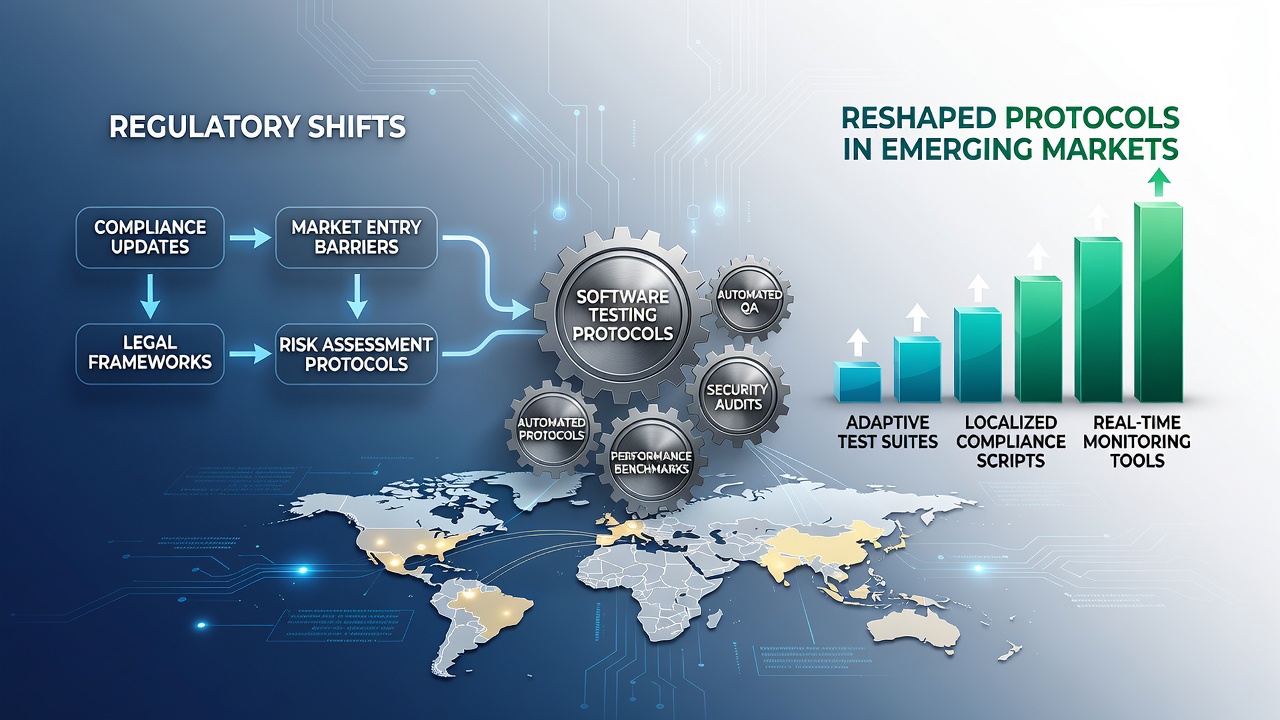
Regulatory Changes Transforming Software Testing in New Gambling Jurisdictions
Emerging gambling markets across multiple continents continue to introduce fresh licensing frameworks that directly alter how developers and operators approach software testing, and these adjustments often require updated protocols for random number generators along with security audits and player data protections. Data from various regulatory bodies shows that jurisdictions entering the regulated space after 2020 have imposed stricter certification requirements compared to earlier markets, which forces testing laboratories to expand their evaluation criteria for game mechanics and backend systems.
Observers note that in regions such as Latin America and parts of Southeast Asia, new laws enacted between 2023 and 2025 mandate independent verification of fairness algorithms before any platform receives operational approval, and this process typically involves multiple rounds of simulation testing under controlled conditions. According to reports from the Nevada Gaming Control Board, similar standards have influenced testing practices in neighboring areas where cross-border operators seek compliance, leading to standardized reporting formats that track every modification to game code throughout its lifecycle.
Key Shifts in Testing Requirements Across Jurisdictions
Authorities in Australia and certain Canadian provinces have rolled out guidelines that emphasize real-time monitoring capabilities within testing suites, which means software must now demonstrate ongoing compliance rather than one-time certification, and this approach stems from concerns over dynamic content updates that could alter payout structures mid-session. Research indicates that such continuous testing models reduce discrepancies in reported return-to-player percentages by integrating automated logging systems that regulators can access remotely.
Those who've examined market entries in Brazil and South Africa point to requirements for localized server testing, where protocols demand that all transaction data remains within national borders during verification phases, and this adds layers of encryption checks plus penetration testing against region-specific threat models. Figures reveal that compliance timelines have extended by an average of 45 days in these markets compared to established ones, primarily because testing firms must coordinate with multiple agencies for final sign-off.
Impact on Random Number Generator and Fairness Protocols
Software testing for random number generators has grown more rigorous in emerging markets, with standards now requiring statistical analysis across millions of simulated spins or hands to confirm uniformity and independence, while also incorporating checks for hardware-based entropy sources when applicable. In August 2026 several jurisdictions plan to align their RNG evaluation criteria with international benchmarks from research institutions, which will allow testing labs to share validated methodologies across borders and reduce redundant audits for operators active in multiple regions.
Experts have observed that fairness testing now extends beyond core mechanics to include bonus round triggers and progressive jackpot systems, and case studies from operators entering regulated Asian markets show how early integration of these tests during development cuts revision cycles by nearly half. Data shows that markets enforcing these expanded protocols report fewer player disputes related to outcome predictability within the first year of operation.
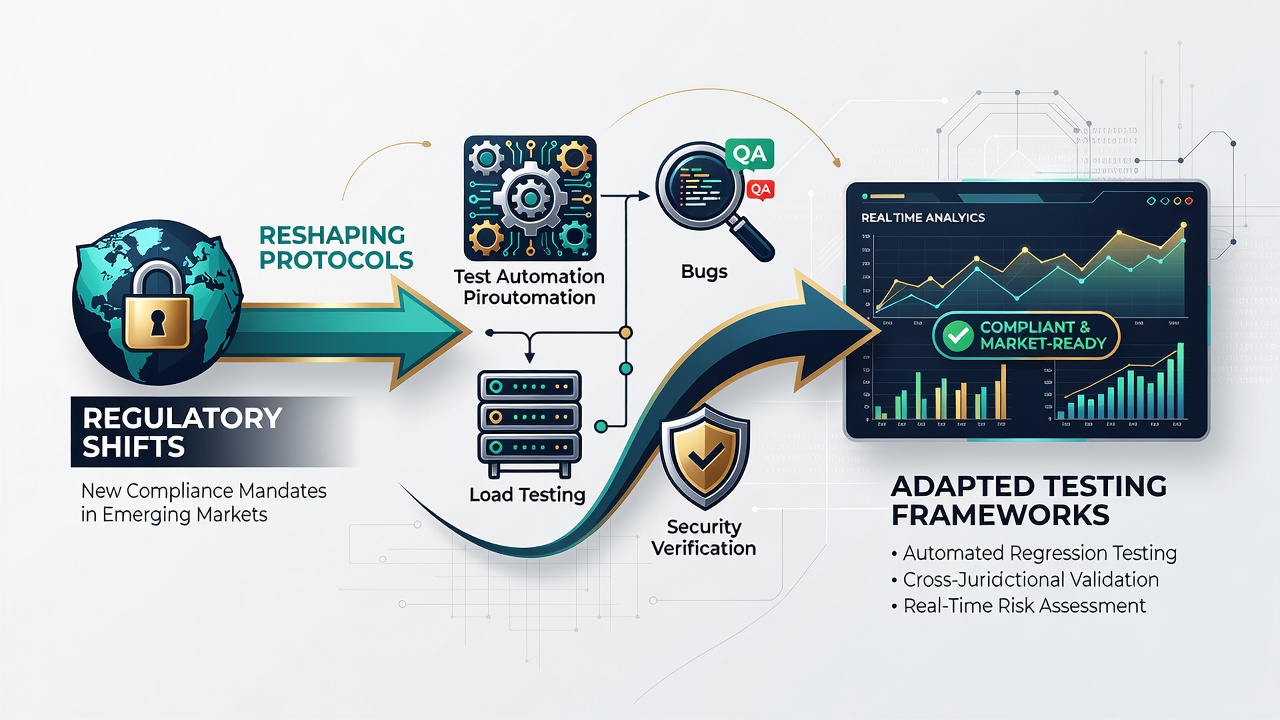
Security and Data Protection Testing Adaptations
Regulatory updates in emerging markets frequently incorporate data protection mandates modeled on frameworks from the European Union and Canadian provinces, which require penetration testing and vulnerability assessments at every software release cycle, and these evaluations must cover both client-facing applications and backend databases handling financial transactions. Testing protocols now include simulation of distributed denial-of-service attacks alongside checks for compliance with encryption standards that vary by jurisdiction.
People involved in certification processes note that emerging gambling markets often demand third-party validation of anti-money laundering features embedded in the software, such as automated transaction monitoring and reporting triggers, and this has prompted testing firms to develop specialized modules that simulate regulatory reporting scenarios before live deployment. Evidence from industry reports suggests these integrated security tests contribute to higher initial setup costs but lower long-term maintenance expenses for operators.
Future Trends and Standardization Efforts
Collaborations between regulatory bodies in different regions point toward greater harmonization of testing standards by late 2026, with working groups focusing on shared certification databases that would allow approved software components to transfer more easily between markets, and this development builds on existing models from trade organizations that track global compliance trends. Researchers continue to analyze how artificial intelligence tools can streamline certain aspects of protocol testing without compromising the independent verification required by law.
Those monitoring these changes highlight that operators who adapt their internal testing pipelines early tend to navigate new market entries with fewer delays, particularly when they align with standards from academic studies on gambling system integrity published through university-affiliated research centers. The reality is that software testing in this sector evolves alongside regulatory landscapes, creating a cycle where each new framework refines the methods used to ensure reliable and secure operations.
Conclusion
Regulatory shifts in emerging gambling markets continue to drive refinements in software testing protocols, from expanded RNG evaluations to enhanced security and data protection measures, and these adjustments reflect broader efforts to maintain integrity across expanding digital platforms. As jurisdictions refine their approaches through 2026 and beyond, testing laboratories and operators alike adapt their processes to meet evolving requirements while supporting consistent market growth.