
Scotts Valley Band of Pomo Indians Launches Temporary Gaming Hall in Vallejo as Preview for Major Resort
The Scotts Valley Band of Pomo Indians has opened a temporary Class II gaming hall on its 128-acre trust land near Highway 37 in Vallejo, California, and the facility operates in a soft-launch format that features bingo-style electronic gaming machines.
This venue functions as an early preview site for a planned $700 million casino-resort development while the U.S. Department of the Interior reconsiders the tribe's restored-lands determination amid opposition from neighboring tribes; the City of Vallejo has already approved a municipal services agreement that covers the temporary operation.
Details of the Temporary Facility
The gaming hall sits on trust land that the tribe controls near the highway corridor, and it provides players with electronic versions of bingo games that meet federal Class II standards without requiring full casino-style slot machines at this stage. Observers note that the soft-launch approach allows the tribe to test operations, gather customer feedback, and build local awareness before the larger resort moves forward.
Staff members have begun welcoming visitors during limited hours, and the machines deliver the core gaming experience that the tribe expects to expand once the main project receives final approvals. The setup uses modular buildings and temporary infrastructure that can scale up or adjust based on demand and regulatory outcomes.
Connection to the Larger $700 Million Project
The temporary hall serves as a stepping stone toward the full casino-resort that carries an estimated $700 million price tag, and project planners have outlined plans for a comprehensive destination that will include hotel rooms, multiple dining options, and expanded gaming floors once construction begins. The current site gives the tribe an opportunity to establish its brand in the Vallejo market and demonstrate operational capability to investors and regulators alike.
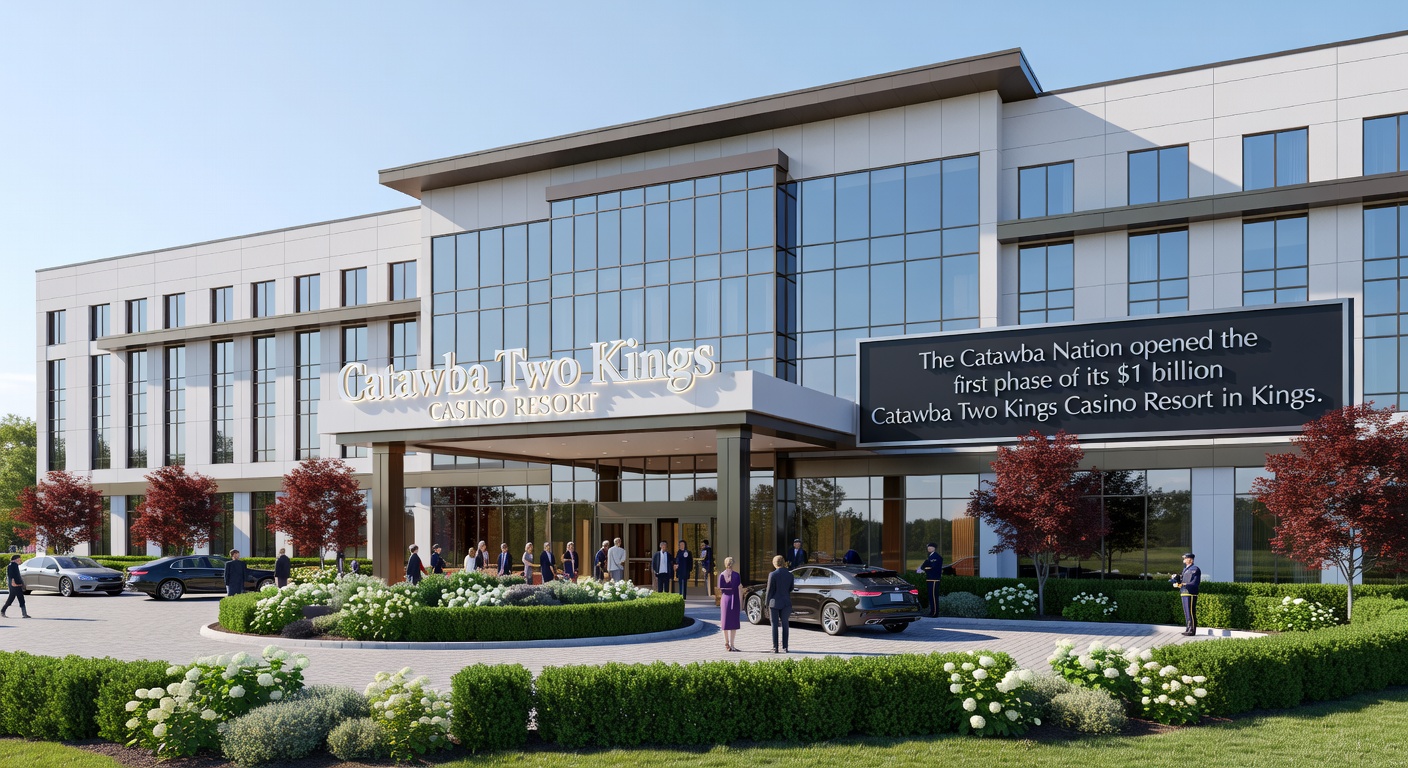
Developers have indicated that lessons learned from the temporary operation will shape final design choices for the resort, including traffic flow, security protocols, and guest amenities. The phased approach reduces risk by confirming local support and fine-tuning logistics before committing to the full build-out.
Regulatory Review and Tribal Opposition
The U.S. Department of the Interior continues to review the tribe's restored-lands determination, a process that determines whether the 128-acre parcel qualifies for gaming under the Indian Gaming Regulatory Act. Neighboring tribes have raised objections during public comment periods, and those concerns now factor into the ongoing federal evaluation. 500 Nations has reported on the status of this review and the broader implications for restored lands across California.
The reconsideration creates uncertainty around the timeline for the permanent resort, yet the temporary hall can operate independently under existing Class II rules while the federal process moves forward. Legal teams for the Scotts Valley Band continue to submit documentation that supports the tribe's position on the land status.
Municipal Services Agreement with Vallejo
City officials in Vallejo approved a municipal services agreement that outlines how the temporary facility will receive police, fire, and infrastructure support, and the pact also addresses revenue-sharing terms that benefit local government. The agreement ensures that emergency services remain available without placing undue strain on city resources during the soft-launch period.
Local leaders have coordinated with tribal representatives to establish clear communication channels for any operational issues that arise, and the arrangement sets a foundation for similar cooperation once the larger resort opens. The city benefits from economic activity generated by visitors while maintaining oversight through the service agreement.
Current Operations and Future Outlook
Since the soft launch began, the gaming hall has drawn steady foot traffic from the surrounding region, and early reports show consistent machine usage during peak evening hours. The tribe has hired local residents for many positions, which strengthens ties with the Vallejo community and supports workforce development goals.
Project timelines point toward potential construction milestones in the coming years, although the federal land determination review remains a key variable. Updates scheduled for July 2026 may clarify whether the restored-lands status advances or requires additional negotiation, and those findings will directly influence the pace of the $700 million resort.
Conclusion
The temporary Class II gaming hall represents a measured first step by the Scotts Valley Band of Pomo Indians in Vallejo, and it allows the tribe to demonstrate viability while awaiting final federal decisions on the restored-lands determination. The municipal services agreement with the city provides operational stability, and the soft-launch model offers practical experience that will inform the larger casino-resort project. As the Department of the Interior continues its review amid input from neighboring tribes, the temporary facility stands as an active bridge between current capabilities and future development on the 128-acre trust land.