Slot Game Mechanics and Payout Percentages in Mobile Applications
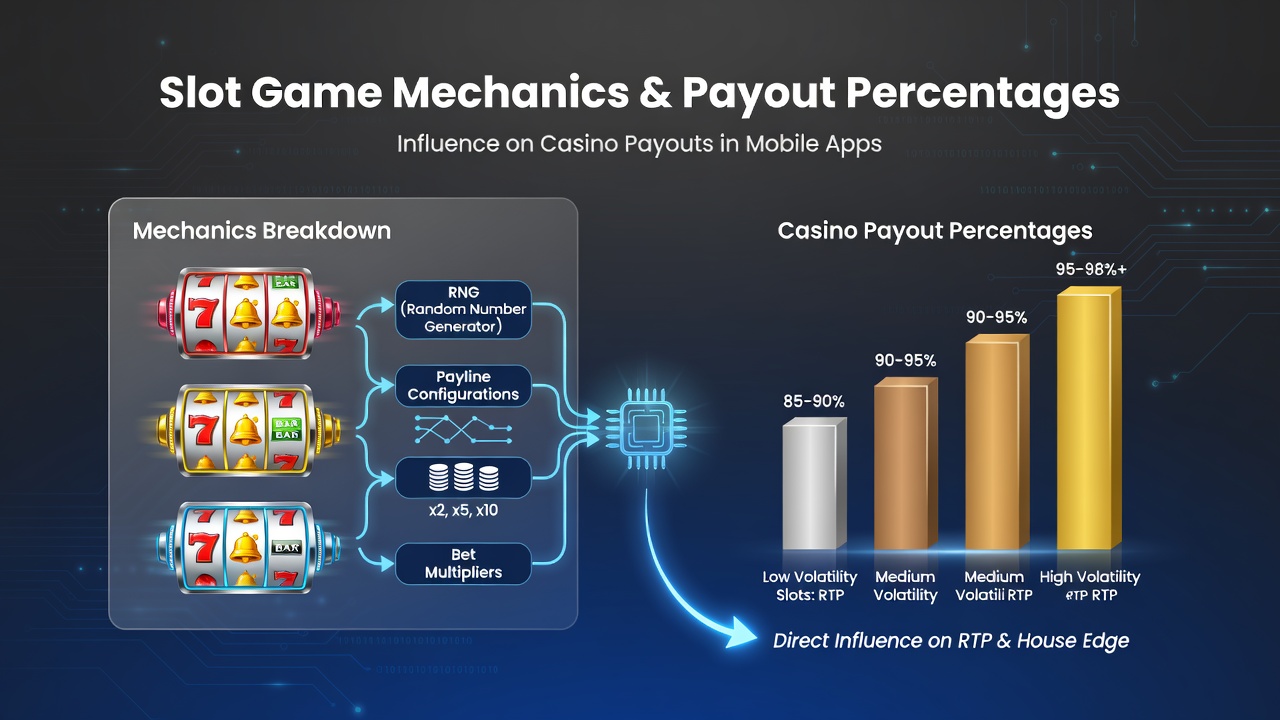
Slot game mechanics form the foundation of payout calculations in mobile casino applications, where random number generators determine outcomes across reels, paylines, and bonus structures while return-to-player percentages reflect long-term statistical averages rather than individual session results. Developers integrate these elements into compact interfaces that accommodate touch controls and shorter play sessions common among mobile users, and this integration shapes how overall casino payout percentages emerge from aggregated game performance.
Core Components of Slot Mechanics
Random number generators operate continuously in the background of every mobile slot application, generating thousands of number sequences per second to select symbol combinations on virtual reels, and this process ensures each spin remains independent from previous results. Payline configurations vary from fixed lines in traditional setups to dynamic arrangements in modern titles, while reel structures range from three-reel classics to five-reel or six-reel formats with multiple rows that expand winning possibilities through stacked symbols and cascading mechanics.
Bonus features such as free spins, multipliers, and pick-and-click rounds activate based on specific symbol combinations like scatters or wild substitutions, and these additions alter the distribution of payouts within a game's overall return-to-player figure. Volatility levels, which measure the frequency and size of wins, interact directly with these mechanics because high-volatility slots concentrate larger rewards in fewer outcomes whereas low-volatility options distribute smaller wins more evenly across spins.
Influence on Return-to-Player Percentages
Return-to-player percentages represent the theoretical portion of wagers returned to players over extended play periods, and slot mechanics directly determine these figures through programmed probabilities for each symbol and feature combination. Mobile applications often adjust reel weighting and bonus trigger rates to maintain consistent RTP values across different screen sizes and connection speeds, yet the underlying mathematics remains identical to desktop versions in most cases.
Data from regulatory testing laboratories shows that games with complex bonus layers typically allocate a portion of their RTP to those features, which means base game payouts adjust accordingly to preserve the advertised percentage. Progressive jackpot mechanics, where a small percentage of each wager contributes to a growing prize pool, reduce the base RTP slightly while introducing the possibility of substantial single payouts that affect player perception of overall returns.
Mobile-Specific Adaptations and Play Patterns
Mobile platforms introduce design choices such as simplified control layouts and auto-spin options that encourage longer or more frequent sessions, and these patterns influence how payout percentages manifest in practice because shorter average session lengths can create greater variance around theoretical RTP values. Touch-optimized interfaces sometimes incorporate swipe gestures for reel spins or tap-to-collect bonus elements, yet these changes do not alter the random outcomes generated by the underlying algorithms.
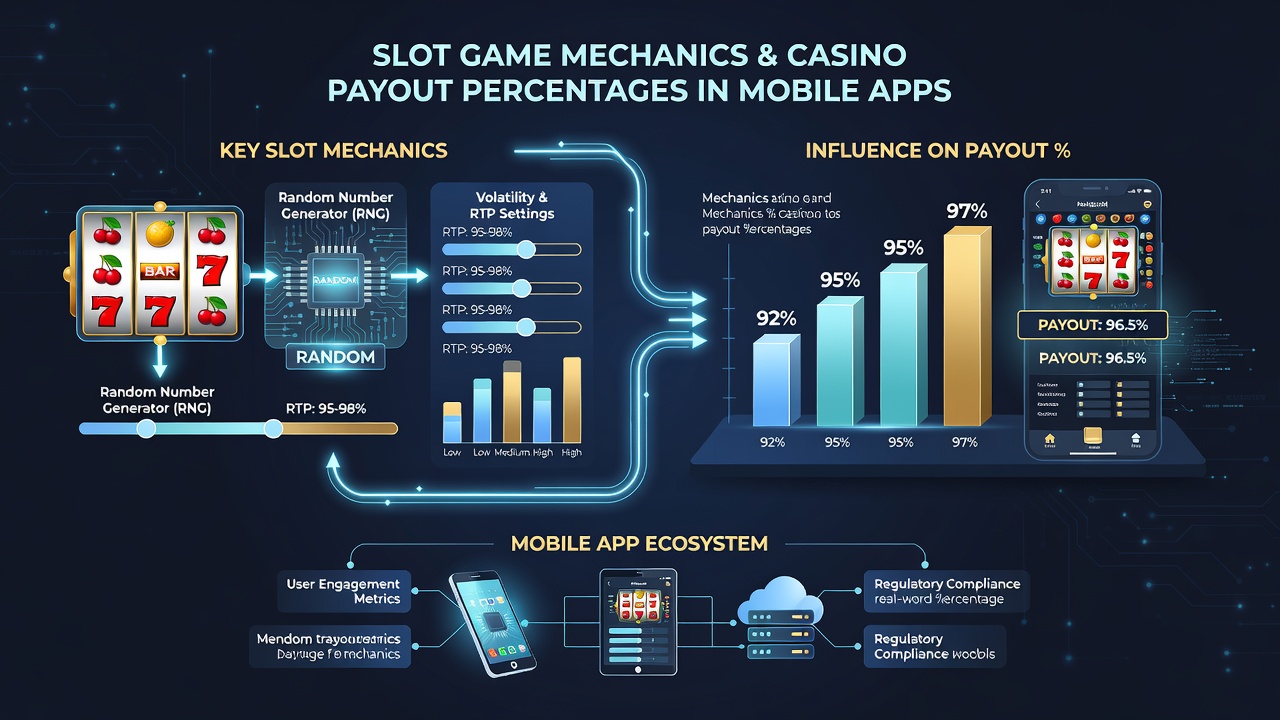
Research indicates that players on mobile devices tend to engage with higher-volatility titles during brief commutes or breaks, which shifts the realized payout distribution compared to extended desktop sessions even though the programmed mechanics stay constant. Application developers account for this behavior by balancing feature frequency so that mobile users encounter engaging moments without extending session times beyond typical mobile attention spans.
Regulatory Oversight and Testing Standards
Authorities such as the Pennsylvania Gaming Control Board require independent verification of random number generator integrity and payout percentage accuracy before mobile applications receive approval for distribution, and these audits confirm that mechanics function as advertised across thousands of simulated spins. Similar requirements exist in other jurisdictions including those overseen by the Alcohol and Gaming Commission of Ontario, where testing protocols evaluate both base game and bonus feature contributions to overall RTP figures.
Industry reports compiled by organizations like the International Gaming Institute at UNLV document how evolving reel mechanics and multiplier systems affect payout stability in mobile environments, providing operators with benchmarks for game selection that maintain balanced overall casino returns.
Aggregated Casino Payout Percentages
Individual slot RTP values combine to form an operator's overall payout percentage, which reflects the weighted average across all available titles based on player volume and wager distribution. Mobile applications often feature curated selections that emphasize certain mechanics, such as cluster-pay systems or expanding wild features, and this curation can elevate or lower the blended payout figure depending on which games attract the most play.
Figures from mid-2026 indicate continued growth in mobile slot engagement, with operators adjusting game portfolios to include mechanics that support steady RTP realization even as player preferences shift toward titles with interactive bonus rounds. Those adjustments occur within regulatory frameworks that mandate transparent disclosure of payout percentages in application stores and game information panels.
Conclusion
Slot game mechanics establish the mathematical framework that governs payout percentages in mobile casino applications, from random number generation and symbol weighting through bonus feature allocation and volatility settings. Mobile-specific adaptations maintain these core probabilities while accommodating shorter sessions and touch-based interactions, resulting in payout outcomes that align with theoretical percentages over sufficient play volume. Regulatory testing and industry data continue to confirm consistency across platforms, ensuring that overall casino returns derive directly from the integrated mechanics of each title rather than from platform-specific modifications.